The Future of Sportswear Australia is not just about design. It’s about culture, technology, environment and lifestyle converging. In the years ahead, sportswear in Australia will evolve in ways that reflect changing consumer values, innovative materials, digital integration and evolving definitions of activity and fashion. In this deep dive, we explore these trends, opportunities and what they mean for brands, consumers and the industry.
1. Market overview: Where we stand today
Australia’s sportswear sector has grown significantly. Reports show that the sportswear and athleisure market in Australia is valued at around AUD 4.5 billion, driven by increasing fitness consciousness and active lifestyles.
The retail side is also strong: the fitness and athletic clothing store market in Australia was valued at USD 4.2 billion in 2024, with sports apparel accounting for a large share.
While some segments indicate slower growth (for example certain garments like tracksuits, ski suits and swimwear forecast a modest CAGR of ~1.6% from 2024–35) there are clear signs of robust opportunity in innovation, sustainability and athleisure blending.
Thus, the Future of Sportswear Australia promises dynamic change rather than static stability.
2. Key trend: Athleisure and lifestyle integration
One of the biggest shifts is that sportswear has become everyday wear. Australians aren’t just buying gear for the gym – they are buying pieces that transition from training to leisure, work to weekend. This phenomenon is often called “athleisure”.
A recent report emphasises that brands in Australia are reshaping the retail market accordingly.
What this means:
-
Design must balance performance and style. A sports tee should look as good on brunch as it does in a training session.
-
Consumers expect versatility and comfort first, then performance.
-
Retail channels, both online and physical, must adapt: more experiential stores, seamless digital-to-store transitions.
In short, in the Future of Sportswear Australia, the line between “sport” and “street” becomes blurred.
3. Technology & performance innovation
Performance remains at the core of sportswear. However, the technology underpinning it is becoming more sophisticated. In Australia, brands and manufacturers are integrating features such as moisture-wicking fabrics, temperature-regulating panels, compression structure, UV protection (important in the Australian sun).
Beyond that: wearable sensors, AI-driven analytics and smart textiles are emerging globally and will begin to influence the Australian market.
For the Future of Sportswear Australia that means:
-
Apparel will serve not only aesthetic and comfort functions but also data tracking and health feedback.
-
Brands will differentiate by performance features, material science and smart integrations.
-
Consumers will expect more from their sportswear than ever before: functionality, durability and intelligent design.
Thus, high-performance features become table stakes, especially for serious athletes, but also increasingly for everyday users seeking elevated comfort and utility.
4. Sustainability & ethical production
A major pillar shaping the Future of Sportswear Australia is sustainability. Australian consumers are increasingly aware of environmental impact, supply-chain ethics and the provenance of what they wear. Reports show that eco-friendly materials, low-impact production and recycled fabrics are becoming prioritised.
Key components:
-
Use of recycled polyester, fabrics repurposed from plastic bottles or fishing nets.
-
Organic cotton, bamboo blends, low-water printing methods.
-
Shorter supply chains and local manufacturing to reduce carbon footprint and increase transparency.
For the Future of Sportswear Australia this means: -
Brands that ignore sustainability risk being left behind.
-
Consumers will reward—and pay more—for ethical, transparent production.
-
Manufacturing hubs in Australia (or nearby) with localised production may become more competitive.
5. Customisation, inclusivity and design expression
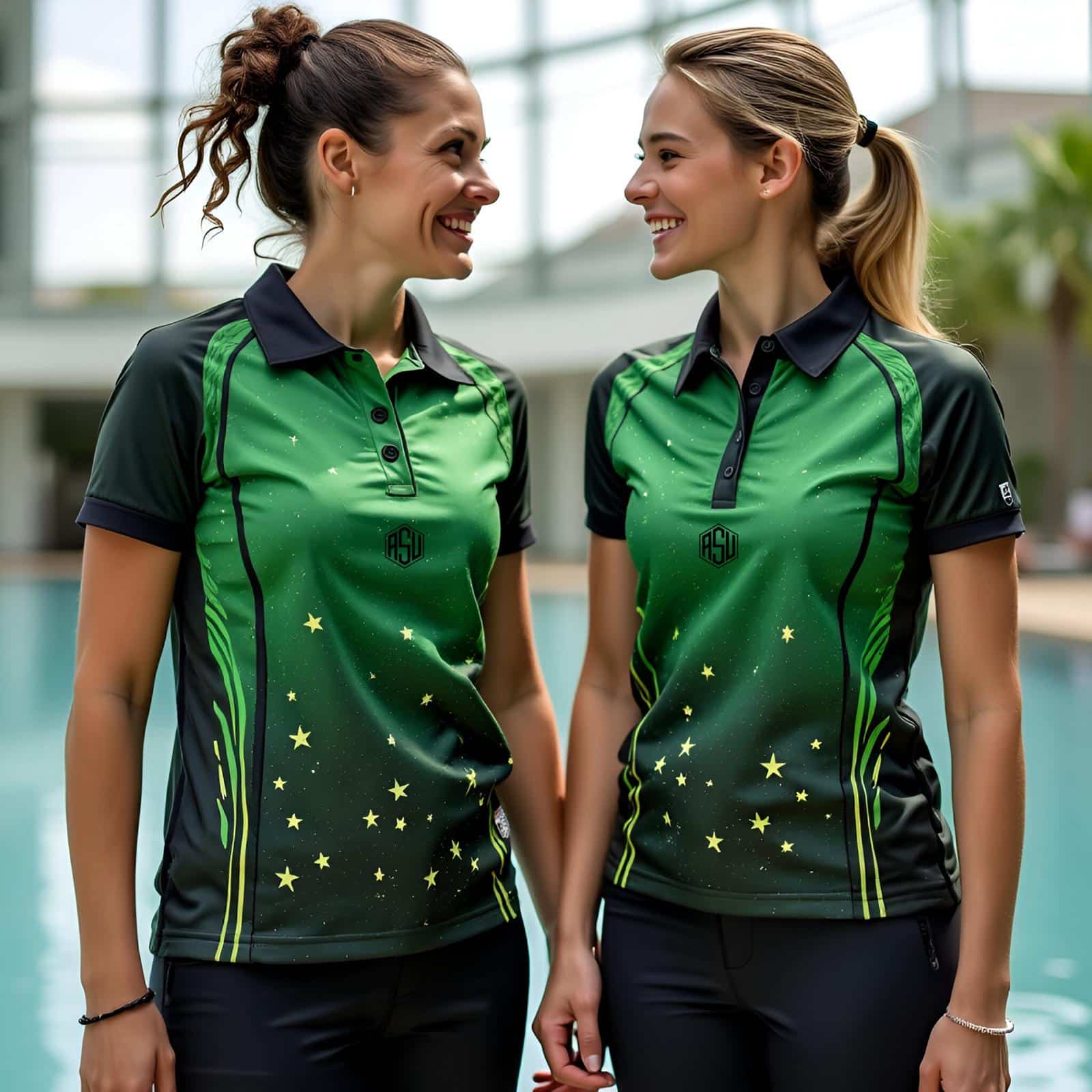
The Future of Sportswear Australia will also be defined by personalisation and inclusivity. One trend in Australia is custom team-wear: clubs, schools and organisations are opting for made-to-order uniforms with unique colour, pattern, logo placement.
Another feature: inclusive sizing, gender-neutral cuts and designs that cater to diverse body types and identities.
In practice this means:
-
Sportswear isn’t “one size fits all” anymore. It must cater to juniors, seniors, men, women, non-binary, all body shapes.
-
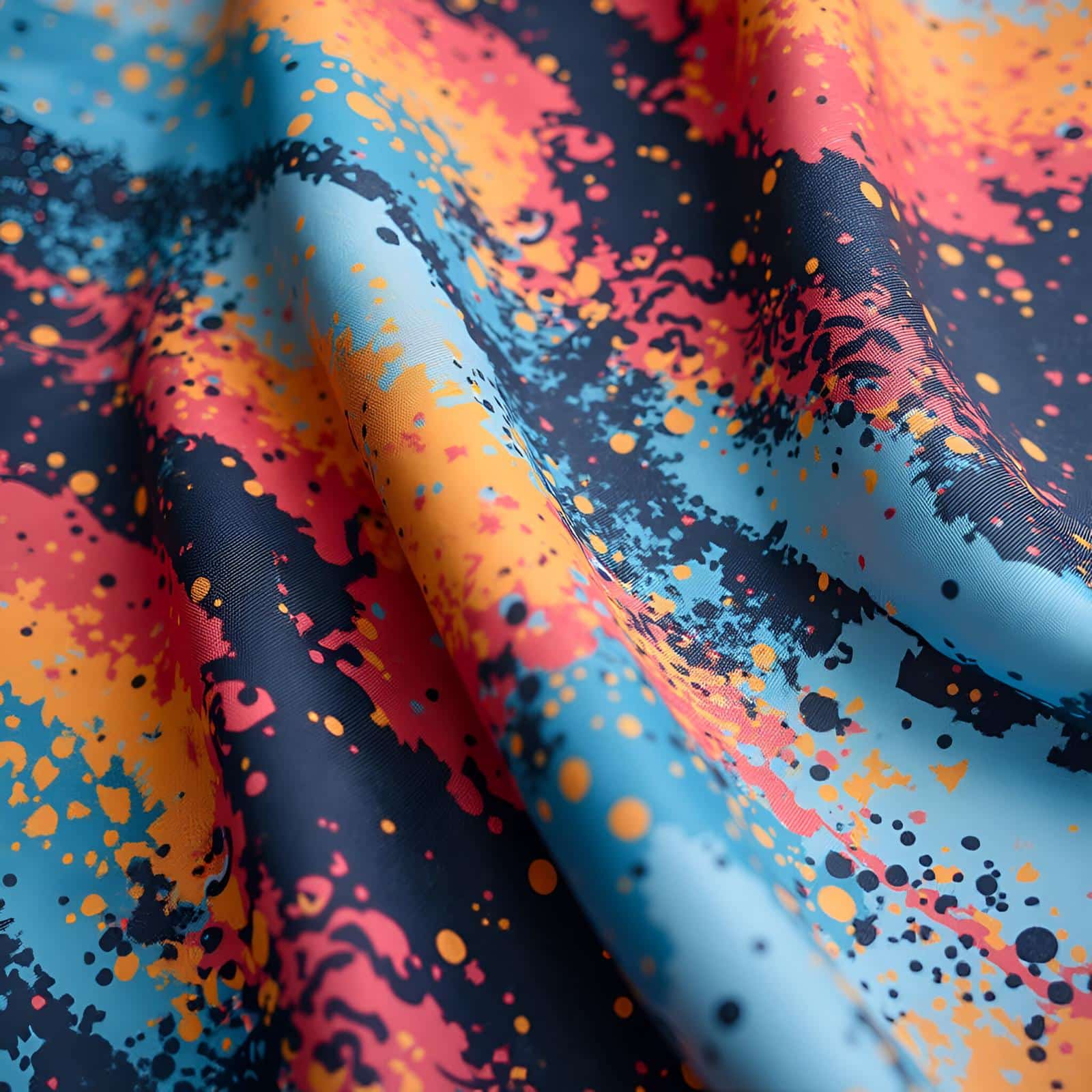
Visual design matters: bold colours, gradient prints, pattern innovation are increasingly popular.
-
For Australian culture, the ability to express identity through sportswear (club colours, school teams, community sports) will be key.
Thus in the Future of Sportswear Australia, expect garments that feel custom, inclusive and reflective of personal or community identity.
6. E-commerce, retail experience & omnichannel
How people buy sportswear is changing rapidly in Australia. Online shopping is expanding significantly, and even physical retail is adapting to the “digital-first” consumer. According to reports, e-commerce sales in the sports apparel sector reached strong growth in Australia.
Retail patterns for the Future of Sportswear Australia:
-
Strong online presence: brands must have seamless websites, mobile apps, virtual try-ons, strong logistics.
-
Physical stores evolving: showrooms, experiential retail (testing gear, training zones, interactive tech) rather than merely shelf space.
-
Omnichannel strategy: consumers expect to browse online, check in store, return online, pick up in store.
-
Local store networks in major cities (Sydney, Melbourne, Brisbane) remain important because of active lifestyles, high density of fitness centres.
Hence, the Future of Sportswear Australia will require brands to be agile in retail and channel strategy—not just product innovation.
7. Challenges & risks in the landscape
Although the outlook is positive, there are significant challenges the Australian sportswear industry must navigate.
-
Global competition: Large international brands dominate and smaller Australian brands must fight for visibility.
-
Cost pressures: Sustainable materials, new tech fabrics and manufacturing upgrades come with higher cost.
-
Supply chain and logistics: Australia’s geography and reliance on imports can introduce delays and higher costs.
-
Consumer economic sentiment: During downturns, discretionary spending on non-essential items (such as sportswear) may decline.
-
Market saturation in certain segments: Some reports indicate slower growth in specific product categories (e.g., tracksuits, ski suits) with limited expansion.
For brands aiming to succeed in the Future of Sportswear Australia, being aware of these structural risks and responding proactively is crucial.
8. Opportunities for innovation & disruption
Amid challenges, the Future of Sportswear Australia presents multiple opportunities for those ready to innovate:
-
Smart apparel: Embedding sensors, analytics and performance tracking will differentiate offerings.
-
Sustainable manufacturing: Brands that adopt circular models (take-back schemes, recycled fabrics) can build strong loyalty and differentiation.
-
Localisation: Designing gear specifically for the Australian climate (hot summers, outdoor sports culture) and conditions.
-
Custom and teamwear: Many schools, clubs and community sports organisations are seeking high-quality, bespoke uniforms. The trend for customisation in Australia is strong.
-
Lifestyle crossover: Because sportswear is now worn beyond the gym, blending fashion and function opens new categories (casual wear, travel wear, urban active).
-
Direct to consumer (D2C): Removing intermediaries, focusing on digital marketing, and offering engaging online experiences.
Thus, the Future of Sportswear Australia is wide open: brands that adapt aggressively will lead.
9. Impact on Australian consumers & culture
For Australian consumers, what does this mean?
-
Better choice: More high-quality, high-performance sportswear becomes accessible.
-
Value: Sportswear becomes more than workout gear—it becomes wardrobe staple, social statement, lifestyle asset.
-
Engagement: Consumers become more involved in brand story (sustainability, ethics, technology).
-
Community and identity: With custom teamwear and inclusive sizing, sportswear becomes a tool for expression—whether school teams, local clubs, or personal fitness journeys.
-
Expectation: As brands raise the bar, consumers will expect more from what they buy: transparency, performance, durability, style.
So the Future of Sportswear Australia will not just change how we dress; it will influence how we think about sports, fashion and identity.
10. Building for the Future: What brands need to do
For any brand (or brand manager) looking to succeed in the Future of Sportswear Australia, here are key strategic actions:
-
Prioritise sustainable supply chains and materials: Show clear environmental credentials.
-
Invest in performance technology: fabrics, smart features, ergonomic design matter.
-
Embrace omnichannel retail: Strong online presence plus experiential physical outlets.
-
Offer customisation and inclusivity: sizing, gender-neutral cuts, personalised designs.
-
Leverage Australian lifestyle: outdoor sport, warm climate, casual-to-active wear comfort.
-
Tell a compelling story: consumers buy stories as much as products. Ethics, community, innovation win.
-
Monitor global trend but localise: What works globally may need adaptation for Australian conditions and culture.
By doing these, brands position themselves strongly in the Future of Sportswear Australia.
11. Case example: Australian manufacturing & local relevance
In Australia, the shift toward more local manufacturing and shorter supply chains is gaining momentum—especially in the sportswear sector. This helps reduce environmental impact, improve quality control and meet consumer demand for transparency.
One report noted that when made-in-Australia sportswear is chosen by teams and schools, shorter supply chains and improved quality control are clear advantages.
Thus, the Future of Sportswear Australia will likely see more goods produced domestically or regionally, for quicker response, better sustainability credentials and stronger brand stories around “Australian made”.
12. Forecast & outlook
Putting it all together:
-
The market size for sportswear in Australia is projected to grow significantly over the coming years, with CAGR estimates of ~7.5% from 2025–2034 in one study.
-
While some sub-segments anticipate slower growth, the core performance and athleisure segments remain strong.
-
Consumer behaviour is shifting: more active lifestyles, more blending of fitness and fashion, more demand for sustainability and technology.
-
Retail and distribution channels will continue to evolve: stronger online presence, more immersive physical spaces, better integration.
Therefore, the Future of Sportswear Australia looks promising for brands who adapt, innovate and stick to consumer-centric values. The winners will be those who align product, purpose, and performance.
13. What this means for you (consumer perspective)
If you’re a consumer in Australia (or looking to buy gear for Australia or Australian teams), here are practical takeaways:
-
Choose sportswear that meets both your performance and lifestyle needs. If you’ll wear it outside the gym, pick something stylish too.
-
Check for sustainable credentials: recycled materials, ethical production, transparent sourcing.
-
Consider custom-design or team-wear options if you’re part of a club or organisation—personalised sportswear is a growing trend.
-
Think long term: better quality, higher functionality pieces will give you more value than fast-fashion workout gear.
-
Explore brands that understand the Australian environment (sun, heat, outdoor sport) and lifestyle.
By doing that, you’ll be aligned with the Future of Sportswear Australia and get gear that fits the dynamic demands of modern active life.
14. Conclusion & brand spotlight
In conclusion, the Future of Sportswear Australia is being shaped by major forces: performance innovation, lifestyle and fashion integration, sustainability, customisation, and smarter retail. Brands that recognise these forces and engage meaningfully will thrive in this evolving space.
If you’re looking for a brand that embodies this future—combining Australian-relevant design, performance fabrics, sustainable credentials and custom team-wear capability—look no further than Australia sports uniform. They stand ready to deliver high-quality sportswear designed for Australia’s active lifestyle and community teams. Choose Australia sports uniform for your next uniform, kit or active-wear order and align with the true Future of Sportswear Australia.
FAQs
What is shaping the Future of Sportswear Australia?
Technology, sustainability, and lifestyle integration are driving the future of sportswear across Australia.
How is innovation changing Australian sportswear?
Brands are adopting smart fabrics, eco-materials, and performance-enhancing designs to meet modern demands.
Why is sustainability important in the Future of Sportswear Australia?
Eco-conscious consumers expect ethical production, recycled fabrics, and low-impact manufacturing processes.
What role does technology play in sportswear trends?
Smart textiles and wearable tech enhance comfort, monitor performance, and support better athletic results.
How is the Australian climate influencing sportswear design?
Lightweight, breathable, and UV-protective fabrics are essential for Australia’s warm and outdoor conditions.
What trends define sportswear innovation in Australia?
Athleisure, inclusivity, digital retail experiences, and locally made gear define modern sportswear trends.
How are Australian brands staying competitive?
They focus on sustainability, custom design, and leveraging technology for performance and style.
Is custom teamwear part of the Future of Sportswear Australia?
Yes, personalised teamwear for schools, clubs, and communities is a growing and vital trend.
Which brand reflects the future of Australian sportswear?
Australia Sports Uniform leads with sustainable, stylish, and performance-driven sportswear solutions.